-
-
-
Captain Akaash Rabbani Shaheed Rd, Havelian, Abbottabad
x
D
o
n
a
t
e

Why Blood Donation Matters: Why one drop of blood saves lives
Blood is life. It passes by all the organs with oxygen and nutrients. The body is not able to survive without it. Somewhere every second, there is a need for blood to keep someone alive. This mere fact shows why blood donation is not a nice gesture only it is life-saving.
When a person gives blood, he does not give a few drops. They provide hope, recovery and a second opportunity to live. Donated blood can sometimes save the lives of patients who have surgery, accidents, and those with cancer, to mention a few.
The Importance of Blood Donation
Donation of blood has an important role to play in the global healthcare systems. Hospitals are dependent on donated blood daily. In emergency cases of surgeries, childbirth complications, and other emergencies, the doctors usually require instant access to safe blood. Lives are in danger without enough number of donors.
Nevertheless, a large number of hospitals experience shortages at all times. The need of the blood continues, but not the donations. Frequent donors will fill this gap and guarantee the supply of blood to those who need it the most.
This paves way to voluntary blood donation as one of the most critical responsibilities
towards public health.
Artificial means cannot be used to either manufacture or substitute blood. It can just be donated by the generous ones who choose to donate blood willingly. Due to this fact, all donors are unspoken heroes who are ready to save a life, one drop at a time.
The reason why Donating Blood Saves Lives
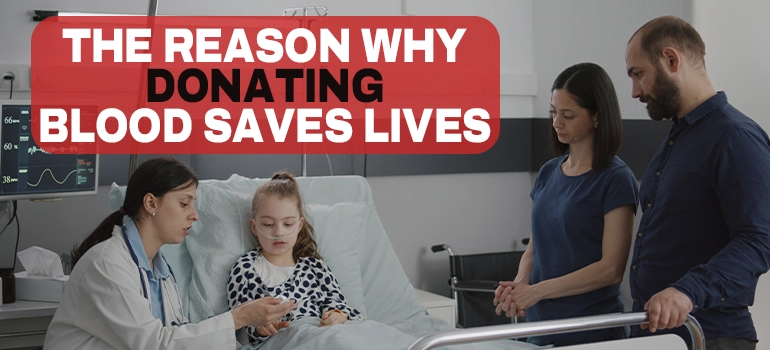
When a person is given a blood transfusion, it is usually due to the fact that the body has lost excessive amounts of blood or is unable to produce enough. Transfusions are required by victims of road accidents or major surgeries or organ transplants. Blood or platelets are often required to restore the health of cancer patients who are undergoing chemotherapy.
Newborn babies at times require blood to survive certain conditions. There is also a risk of urgent transfusion of mothers whose delivery experience complications. In all such instances, survival would not be possible without blood donors.
One donation has the potential to benefit a maximum of three patients. The platelets, the red cells and the plasma are divided up and subjected to various treatments. Therefore, the effort of one person doubles to several lives being saved. This mere gesture actually shows the potential strength of one donation.
The Blood Donation Process
Most individuals will feel like helping but they are frightened by the fact that they are not aware of what occurs during blood donation. This is a harmless, easy and well-controlled process carried out by trained personnel.
To begin with, donors are allowed to post their basic information. Subsequently, they are subjected to a short health check and their temperature, haemoglobin levels and blood pressure are monitored. This is to guarantee that their health will not be impacted with donating.
After the clearance has been reached, the actual blood donation process takes only around 10 to 15 minutes.
Approximately one pint of blood is obtained using a sterile needle. It uses a single needle and safely disposes of the same. Following a donation, there is a few minutes’ rest where the donors have light refreshments. The whole visiting process does not take more than an hour. A majority of people are very okay after that, and they can resume normal lives after a short duration.
Due to the tight control of each step, blood programs are hygienic and safe. At blood banks, each unit undergoes testing to establish whether it has any infection or not before being given to patients.
The Health Benefits of Blood Donation
Most individuals do not know that donation of blood is also beneficial to the health of the donor. Frequent blood donation helps the body maintain the levels of iron. Excesses of iron may result in heart strain or other complications. Regular blood donation maintains this equilibrium in good health.
It also makes the body generate new red blood cells. This is a healthy process of natural circulation of blood, which enhances good health. It is even argued that consistent donors are less susceptible to heart disease.
Donating blood is emotionally rewardin,g besides physical health. It is very peaceful and prideful to know that your simple action can save lives. It develops the feeling of accessibility and affiliation.
In fact, blood donation has much greater health payoffs than physical ones; it is a
soul-touching experience.
Who Can Donate Blood
Not all people can give blood whenever it is required, but the majority of healthy adults can. In order to be eligible, the donors must meet the following requirements: 18 years old or older, 50 kilograms or overweight, and in good health.
There are some exceptions such as fever, recent operation, and some medications which can temporarily disqualify a person. These restrictions are however in order of safety- to the donors and recipients.
One should eat healthy, drink plenty of water and sleep before donation. During the screening, honesty will ensure the safety of blood donation. After its acceptance, anybody will be allowed to participate and give blood without any danger to save the lives of those in need.
Myths and Facts of Blood donation
Myths prevent the donation of many even nowadays. Among the persistent myths is the idea that blood donation leaves one weak. Actually, the body replenishes the lost fluids in 24 hours and red blood cells in weeks. The majority of the donors feel normal very soon.
Donation of blood is another myth because it is believed to be too time-consuming. In
practice, the real donation takes no more than 15 minutes. The entire visit, including rest time, will be less than an hour.
Others feel that the elderly are incapable of giving donations, and this is untrue. Age is not an issue provided that you are healthy and you fit the requirements. In modern donation centres, single-use and sterile equipment is used, which makes the process fully safe.
The busting of these myths and passing of facts will help more people to be confident blood donors.
There are various forms of blood donation
Not every blood donation is similar. The help can be in various forms based on what is in most needed among the patients.
Whole Blood Donation:
The most widespread. It consists of platelets, plasma and red cells. Common with surgery patients and trauma patients.
Platelet Donation:
It applies primarily to patients with cancer or transplant recipients whose platelets are
insufficient.
Plasma Donation:
This aids in blood clotting and the transport of nutrients. It is given in cases of burns, shock and in other conditions.
The different types of blood donations serve a purpose to a particular medical requirement. Their collaboration creates a life-saving network, which makes hospitals prepared to emergencies.
The contribution of Blood Banks and donor programs
Blood banks have a key role to play in supply and demand. They gather, analyze, retain and transmit blood securely. Hospitals would not operate without such structured systems. Mobile donation camps and community blood drives are also useful. With these outreach programs, the opportunity to donate blood is brought nearer to schools and offices and other places of the people.
Individuals and groups contribute significantly to society by becoming a part of or sponsoring a blood donation drive. The greater the frequency of the occurrence of these drives, the greater and more dependable the national blood supply is.
International and National Blood Donor Requirement
Thousands of people in the world require blood on a daily basis. The world is increasing in population, and so is the number of patients who need transfusions. Unfortunately, in most nations, blood donors are required in large numbers compared to the actual donors.
This trend can be altered by the local communities. Hospitals will not have shortages in blood, as constant voluntary donation will ensure that the hospitals will not be short of blood. In a natural catastrophe or emergencies, sufficient stocked blood will save hundreds of lives within seconds.
That is why it is necessary to be aware and consistent. Constant supply of donors implies constant and secure supply of blood to all people.
Preparation before a Blood Donation
It is easy to make arrangements to donate blood. Have a balanced meal and take a lot of water, then donate. Do not eat fatty or oily food the day of donation because this may interfere with the tests.
Wear loose-fitting clothes that have sleeves that are easy to roll up. Carry identification, and be sure you are not tired. Take a few minutes’ rest after donation, take fluids and have a snack. Do not exercise hard during the remaining part of the day.
Such minor measures render the process easy and secure. Anybody can have a good experience of making a donation with proper preparation.
The Psychological Payoff of Giving Blood
Blood donation is not simply a physical process it takes a lot of emotion. Whenever you donate blood, you establish an unspoken connection with a person whom you might have never seen. Your blood can save a baby, a mother or a grandfather.
Another thought that is expressed by donors is that an inner peace is felt after giving a donation. They are aware of the fact that they have changed something. A number of them also encourage friends and family members to follow suit. It turns into a wave of benevolence that continues.
This feeling makes us remember that humankind is a social organism, based on
compassion. The way between life and hope is through blood donors.
Increasing Blood Donation Awareness
The answer to raising the blood donation rates is awareness. Blood donation drives and awareness programs can be conducted in schools, universities, workplaces and community centres.
The Importance of Blood Donation regularlyLocal events, social media campaigns, and posters contribute to the education of the people on the process. People are likely to be ready to participate when they know how easy and harmless it is.
This encouragement among young adults to begin early will form a habit of donating frequently. Through regular sensitisation, we will be able to establish a culture where blood donation will be a way of life.
The Importance of Blood Donation regularly
One donation saves, but regular blood donation saves even more lives. The hospitals
depend on consistent donors who come and provide blood several times in a year. This will provide a steady and secure supply to patients.
Through frequent giving, regular donors tend to develop a close attachment with the cause. They motivate others and join the support system to their communities over the long term.
Blood banks maintain a record and call these donors in case a particular blood type is
required. This is reliability that could save the lives of the patients in case of emergencies.Regularly giving gifts will impact you in the long run- far more than just visiting once.
Conclusion: Every Drop Counts
Blood donation is one of the purest acts of kindness in the world, where so many lives are on the mercy of kindness. It does not require any cash but just a few minutes of your time. But it brings a lifetime upon a man.
Each drop you give will be a heartbeat to another. It is an icon of kindness, humanity and togetherness. Whether you do it once or regularly, your input has a lot of value.
Hence, when you have not made a donation or donation before, it is time to do so. Advance, give blood, and make a difference and make someone smile again.
Since by donating blood, you do not simply save a life, you share the gift of life itself.

Comments (2)
Leave A Comment

admin
minim veniam, quis nostrud exercitation ullamco laboris nisi ut aliquip ex ea commodo consequat. Duis aute irure dolor in reprehenderit in voluptate
admin
nostrud exercitation ullamco laboris nisi ut aliquip ex ea commodo consequat. Duis aute irure dolor in reprehenderit in voluptate